
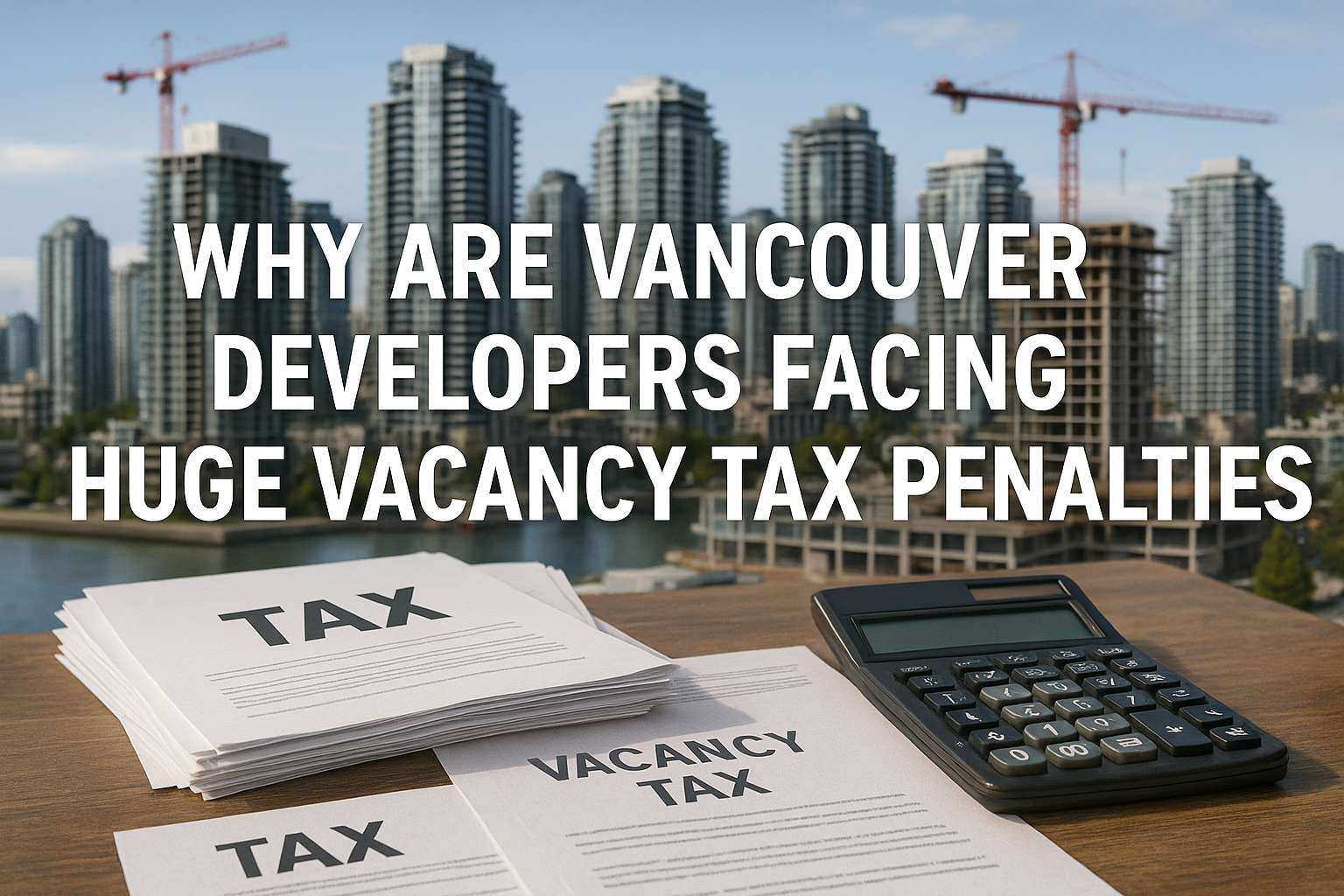
Introduction: The Growing Tax Challenge for Developers
Vancouver’s real estate landscape is globally renowned for its high demand and stringent regulations. Yet, an alarming trend is emerging: vacancy tax penalties in Vancouver are costing developers millions of dollars. These penalties—rooted in the city’s Empty Homes Tax and the provincial Speculation and Vacancy Tax (SVT)—were designed to address housing shortages. But for developers, they’ve become a costly pitfall, often due to project delays, misunderstanding exemptions, or mismanaging compliance.
If you’re a Vancouver property developer, understanding these tax rules is critical to avoid financial losses and legal complications. This guide will break down why developers are being penalized, the exemptions available, and actionable strategies to avoid vacancy tax penalties in Vancouver.
Understanding Vacancy Tax Penalties in Vancouver
The Empty Homes Tax (EHT), introduced by the City of Vancouver, and the Speculation and Vacancy Tax (SVT) by the BC government, target properties deemed “vacant” for more than six months in a year. While aimed at individual homeowners and investors, developers often get caught in the crossfire—especially when holding land or properties during long pre-construction phases.
Key Tax Rates (2025 Update)
-
City of Vancouver Empty Homes Tax:
3% of the property’s assessed taxable value. -
BC Speculation and Vacancy Tax:
0.5% to 2% annually, depending on ownership status and residency.
For high-value properties in Vancouver, these percentages translate into multi-million dollar tax penalties.
Why Developers Are Paying Empty Homes Tax
Even though developers don’t intend to keep homes vacant, the following scenarios commonly trigger penalties:
-
Lengthy Rezoning or Permit Delays – Waiting for property rezoning or building permits can take years. During this period, properties are technically “vacant.”
-
Project Financing Issues – Securing construction financing in Vancouver can cause unexpected delays, leading to prolonged land holdings.
-
Missed Declarations – Failure to file mandatory annual vacancy tax declarations often results in maximum penalties.
-
Holding Completed Units – Unsold completed units can still be subject to vacancy tax penalties in Vancouver.
Tip: If your project is facing rezoning challenges, consider expert assistance in rezoning services in Vancouver to reduce delays.
Exemptions Developers Can Claim (And Why They Often Fail)
There are legitimate Vancouver empty homes tax exemptions for developers, but claiming them requires precise compliance and documentation.
Common Developer Exemptions
-
Active Development Status – Properties undergoing substantial renovations or active construction may qualify.
-
Pre-Construction Period – If you have an approved pre-construction project management plan, you can apply for exemption.
-
Rezoning and Permit Applications – Properties waiting for rezoning approvals can qualify, provided proper evidence is submitted.
-
Marketing Units for Sale – Completed homes listed for sale may be exempt under specific conditions.
Unfortunately, many developers fail to provide complete documentation or miss critical deadlines, invalidating these exemptions.
How to Avoid Vacancy Tax Penalties in Vancouver
Developers can implement a tax compliance strategy that addresses both municipal and provincial requirements. Here’s how:
1. Plan for Tax Timelines in Your Project Schedule
-
Include tax declaration deadlines in your project calendar.
-
Assign compliance responsibility to your project management team.
2. Maintain Proper Documentation
-
Keep copies of building permits, rezoning applications, and construction contracts.
-
Regularly update your development status reports.
3. Engage Professional Advisory Services
-
Work with real estate development consultants specializing in pre-construction project management in Vancouver.
-
Seek guidance on construction financing solutions to prevent financial delays.
4. Understand the Cost Impact
For a $10M property:
-
Empty Homes Tax: $300,000 annually
-
Speculation and Vacancy Tax: Up to $200,000 annually
Total possible penalty for a 2-year delay: $1M or more.
Tip: Consider land development consulting early in your project to mitigate holding costs.
The Legal and Financial Risks of Non-Compliance
Missing a declaration or failing to pay can result in:
-
Multi-Million Dollar Fines – Accrued annually.
-
Legal Disputes – Municipal enforcement actions.
-
Project Profit Erosion – Increased carrying costs reduce ROI.
Developers must navigate municipal and provincial tax rules while balancing construction timelines. Understanding BC property development holding tax implications is not optional—it’s a critical part of your financial strategy.
Case Study: A Costly Oversight
A Vancouver developer holding a $50M land parcel faced $1.5M in vacancy tax penalties over three years due to delays in securing rezoning. Lack of proper exemption filings turned what could have been an avoidable expense into a major financial setback.
Practical Tips for Developers
-
File declarations on time—late filings result in automatic penalties.
-
Start rezoning consultations early: Rezoning Services Vancouver.
-
Incorporate tax planning into your feasibility study.
-
Leverage expert consultants to stay compliant: About Urbanex Strategies.
FAQs: Vacancy Tax Penalties for Developers
1. How do developers qualify for vacancy tax exemptions?
By demonstrating active development status, providing permits, or proof of marketing efforts for completed units.
2. What happens if a developer misses the vacancy tax declaration?
The property is deemed vacant, and the developer is charged the maximum tax penalty for that year.
3. Can developers appeal a vacancy tax penalty?
Yes, appeals are possible, but require comprehensive documentation and legal guidance.
4. Does the speculation and vacancy tax apply to commercial land?
Generally, SVT targets residential properties, but mixed-use or future residential developments can fall under its scope.
Conclusion: Proactive Planning = Cost Savings
Vacancy tax penalties in Vancouver are not just a homeowner’s issue—they’re a multi-million dollar problem for developers. The good news? These penalties are avoidable with proactive tax planning, expert guidance, and timely compliance.
Don’t let tax penalties erode your project margins. Partner with experts who understand Vancouver’s development landscape—from construction financing to rezoning services—and ensure your next project is profitable and compliant.
Ready to protect your development from costly tax mistakes? Contact Urbanex Strategies today.
